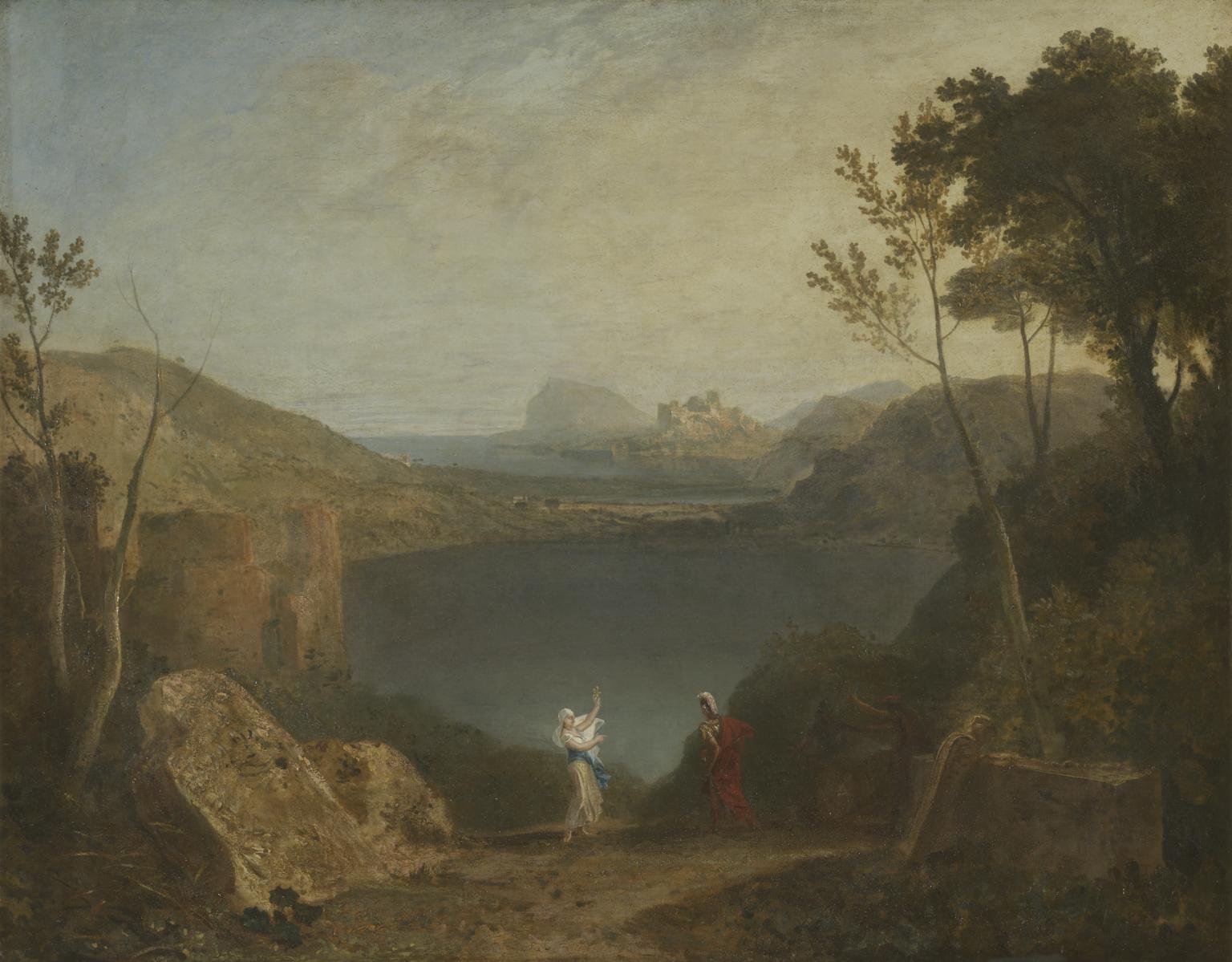
Abstract Composition

- Artist: Jean Hélion
- Date: 1934
- Medium: Oil paint on canvas
- Dimensions: support: 271 x 350 x 15 mm
- Museum: Tate Britain
- Collection record: Tate Britain website
Listen to the free audio guide
About this artwork
This is the “Abstract Composition” by Jean Hélion, painted in 1934. The work shows Hélion’s early abstract language – simple, geometrical planes set against a neutral backdrop, each carefully positioned to create a rhythmic flow. Notice the interplay of vertical and horizontal lines; the lower right corner feels almost in motion, a “swinging” movement that pulls the eye across the canvas.
Hélion was a key figure in Paris’s mid‑century abstract scene. He helped found Art Concret and, together with artists like Jean Arp and Auguste Herbin, co‑founded Abstraction‑Création. These groups were deliberately international, offering a counterpoint to the rising nationalism of the 1930s. His work aimed to show that abstract art could share the timeless values of balance, rhythm and composition with the great art of the past.
In this painting, subtle colour relationships—soft greys, blues, greens—play off one another, while the over‑painting technique adds depth. The piece feels compact yet alive, hinting at the larger, more complex compositions Hélion would produce the following year. It’s a concise snapshot of a pivotal moment when abstract painting was carving its own identity.
See it in person
Abstract Composition is in the collection of Tate Britain on Millbank, London — free to enter. Point your phone at any artwork there and audioguide.london plays a free audio guide in six languages — no app download needed.