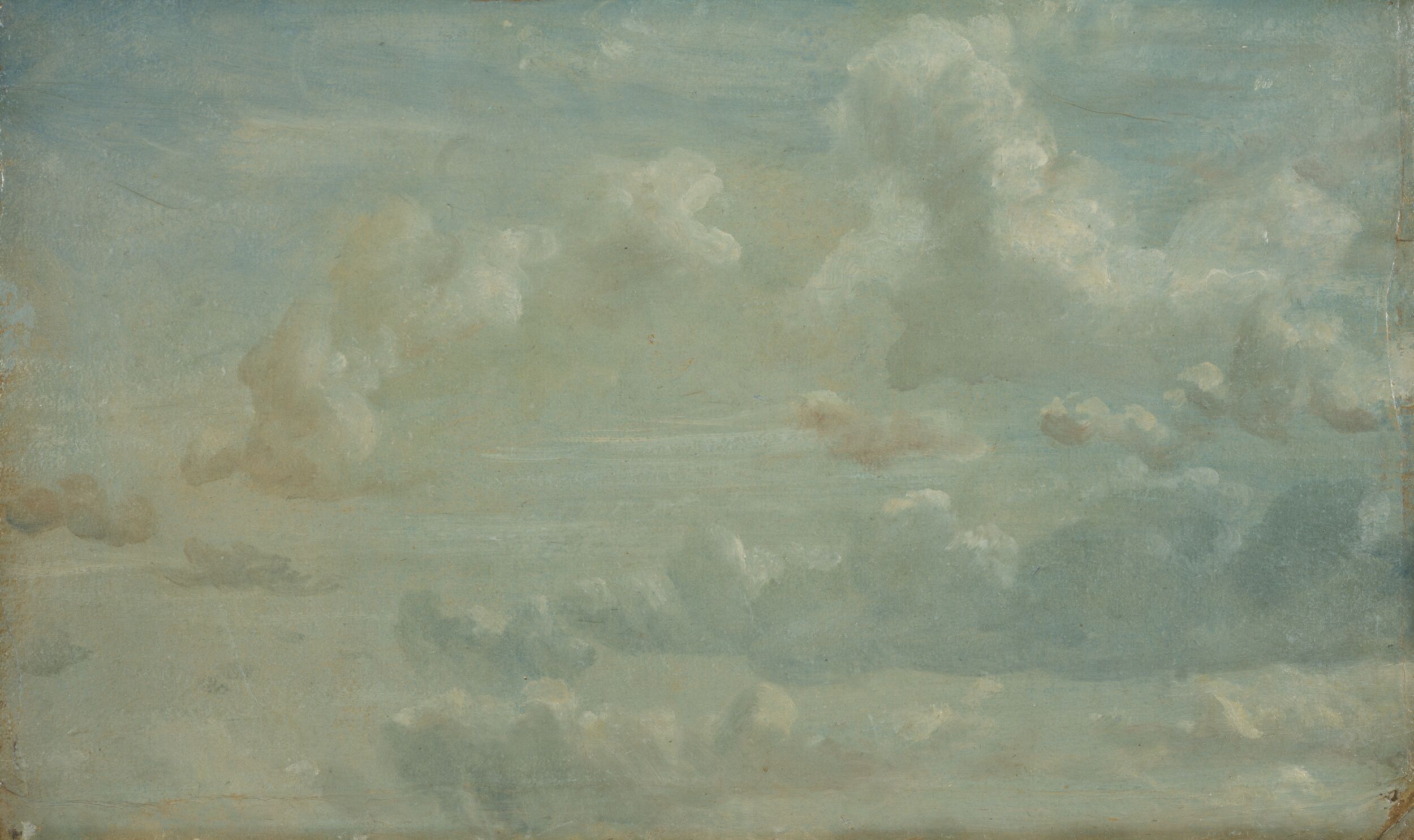
Composition statique

- Artist: Hans Arp
- Date: 1915
- Museum: The Courtauld Gallery
- Collection record: The Courtauld Gallery website
Listen to the free audio guide
About this artwork
This is the “Composition statique” painted in 1915 by Hans Arp. It shows the early Dada spirit that Arp was pioneering at the time, right before the Surrealist movement took off. The work is a study in balance and spontaneity: you see the three curving, almost amoeboid shapes—one dark, one lighter, and one almost translucent—interlocking across a flat field. They don’t follow any recognizable object; instead, they feel like frozen moments of a dream, captured in a single glance.
Arp was a master of biomorphic abstraction, and this piece is a textbook example. The curves flow organically, suggesting movement even though the canvas itself is static, which is why he called it a “Composition statique.” The lack of perspective lines or shading creates a sense of depth that pulls the viewer’s eye around the canvas, making it feel alive.
Even though the medium isn’t specified, you can sense the subtle layering of pigment, likely using a combination of gouache or tempera, that gives the forms a soft translucency. The painting sits at a pivotal moment in Arp’s career, bridging his early experiments with the later, more refined Dada works that would influence countless artists in the 20th century. It’s a quiet reminder that abstraction isn’t just about form—it’s also about the emotion that form can evoke.
See it in person
Composition statique hangs in The Courtauld Gallery at Somerset House, London. Point your phone at any artwork there and audioguide.london plays a free audio guide in six languages — no app download needed.