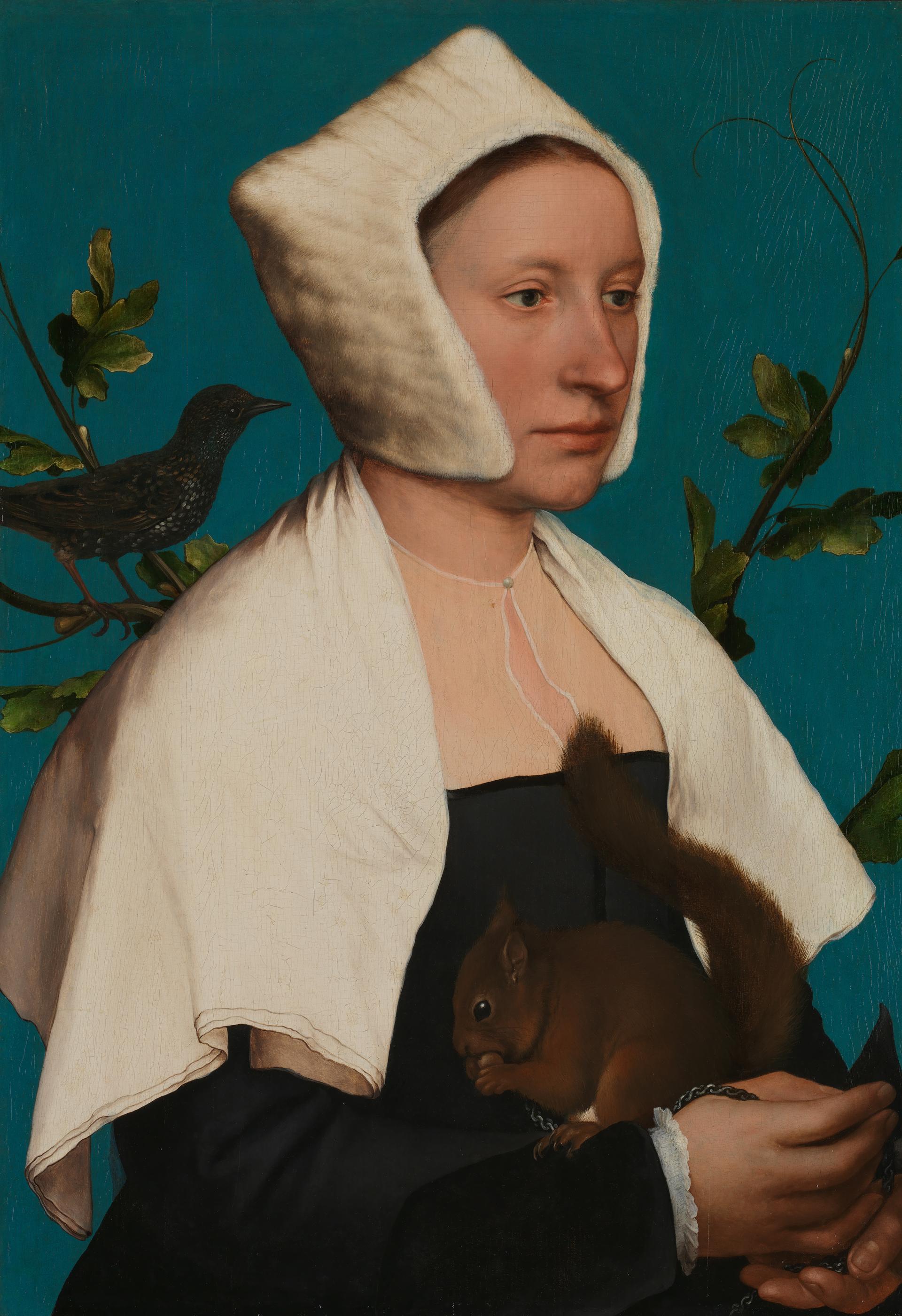
A Lady with a Fan

- Artist: Ferdinand Bol
- Date: 1643
- Medium: oil on canvas
- Museum: The National Gallery
- Collection record: The National Gallery website
Listen to the free audio guide
About this artwork
This is the "A Lady with a Fan" painted in 1643 by Ferdinand Bol. She's expensively dressed, and the fan she holds was a costly accessory that was very much in vogue at the time. Bol uses her pose to emphasize her high social status, which was a popular device in Dutch painting of the era.
In fact, this pose was developed by Rembrandt himself for one of his own self-portraits, inspired by highly regarded portraits from Italian masters like Titian and Dürer. It's interesting that Bol returns to this pose in his own work, as it suggests he was looking to establish himself as a master of Dutch portraiture.
The wall or parapet at the bottom of the picture is more than just a prop - it creates depth and makes the painting feel more three-dimensional. The fan itself is also significant, as its angle has been adjusted to make it seem like it's pointing directly at us. The gold highlights on the folds add to this illusion.
The lady's jewelry and dress are all indicators of her wealth and status. Her teardrop pearl brooch and diamond earrings suggest a very high level of fashion sense and expense. We can also guess that she's unmarried, as there are no wedding rings visible on her hand.
Recent cleaning has revealed a faint signature and date in the lower left corner, which confirms the painting was made in 1643.
See it in person
A Lady with a Fan hangs in The National Gallery on Trafalgar Square, London — free to enter. Point your phone at any artwork there and audioguide.london plays a free audio guide in six languages — no app download needed.